






Maine's coastline stretches more than 3,500 miles — more than the entire West Coast of the United States.
That number includes every cove, inlet, peninsula, and island that defines one of the most rugged and storied maritime landscapes in North America.
From the busy commercial port of Portland to the lobster wharves of Stonington, Maine's seaports have shaped the state's economy, culture, and identity for centuries.
Port of Portland
The Port of Portland is Maine's largest and most commercially active seaport.
Located on Casco Bay, the port handles petroleum products, bulk cargo, and international shipping while supporting a busy ferry network connecting the mainland to the islands of Casco Bay.
Portland's waterfront has undergone significant transformation in recent decades. The Old Port district — once a working industrial waterfront — is now one of New England's most vibrant urban neighborhoods, combining working docks, restaurants, galleries, and maritime businesses along the water's edge.
The harbor remains active year-round, with fishing vessels, ferries, and cargo ships sharing the same waters that have defined Portland since the colonial era.
Port of Searsport
Located on Penobscot Bay, Searsport is Maine's second-largest deepwater port and one of the most important cargo terminals in northern New England.
The port handles bulk materials including petroleum, salt, and forest products. Its deep natural harbor makes it one of the few Maine ports capable of accommodating large ocean-going vessels.
Searsport's maritime history runs deep — the town produced more sea captains per capita than any other community in the United States during the 19th century.
Rockland Harbor
Rockland sits at the heart of Maine's mid-coast and serves as one of the state's most active working fishing ports.
The harbor supports a significant lobster and groundfish fleet while also functioning as a hub for the Maine State Ferry Service, connecting the mainland to Vinalhaven, North Haven, and Matinicus Island.
Rockland's waterfront combines working docks with a growing arts and tourism presence, making it one of the most dynamic harbor communities on the Maine coast.
Bar Harbor
Situated on Mount Desert Island near Acadia National Park, Bar Harbor is one of the most visited waterfront destinations in New England.
The harbor welcomes cruise ships, whale watching vessels, kayakers, and recreational boaters throughout the summer season. Ferries connect Bar Harbor to Yarmouth, Nova Scotia, providing an international maritime link from the Maine coast.
Despite its tourism profile, Bar Harbor retains strong connections to its fishing and maritime heritage.
Stonington
Located on Deer Isle at the southern tip of Penobscot Bay, Stonington is one of Maine's most productive lobster ports.
The harbor is defined by working boats, granite quarry history, and a working waterfront that has changed little in character over generations. Stonington represents the kind of authentic, working coastal community that defines Maine's maritime identity beyond the tourist trail.
Eastport
Eastport holds the distinction of being the easternmost city in the United States.
Located on Moose Island in Passamaquoddy Bay near the Canadian border, Eastport's deep natural harbor — one of the deepest on the East Coast — has long attracted interest for commercial shipping and aquaculture.
The port supports fish processing, aquaculture operations, and occasional cargo activity while maintaining a small-town waterfront character shaped by its remote location and tidal extremes.
Boothbay Harbor
One of Maine's most recognized waterfront communities, Boothbay Harbor combines a working fishing fleet with a thriving recreational boating and tourism economy.
The harbor's sheltered waters and scenic setting have made it a destination for sailors, fishermen, and visitors for generations. Whale watching, sailing excursions, and lobster boat tours operate throughout the season alongside the working vessels that have always defined the harbor.
Maine's Maritime Identity
Maine's seaports share a common thread — a relationship with the water that is practical, enduring, and deeply embedded in the state's character.
Some ports handle international cargo. Others power the lobster industry that defines Maine's coastal economy. Many serve as transportation lifelines for island communities that depend on ferry service year-round.
What they share is a coastline shaped by cold water, hard weather, and generations of people who built their lives around the sea.
For more on New England's maritime heritage, read Seaports of Massachusetts: Gateways to New England and the Atlantic.

Coastal Clothing Built for Changing Weather
Anyone who has spent time along the Maine coast understands how quickly conditions can change. Cool mornings, ocean breezes, fog rolling in off the Atlantic, and shifting temperatures make dependable layers essential throughout much of the year.
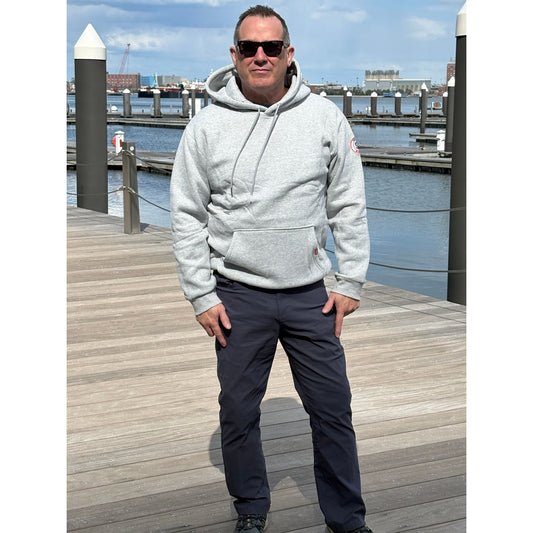
At Seaport Brand, our heavyweight hoodies and sweatshirts are inspired by life around working waterfronts. Born on Boston Harbor, our clothing reflects the same appreciation for authentic coastal communities found from New England's rocky shores to the Pacific Northwest.
Whether you're exploring Portland's Old Port, watching the lobster boats come in at Stonington, or taking the ferry out of Rockland, comfortable heavyweight layers are always part of the coastal experience.
Related Reading